Daadihiye Citizen Engagement
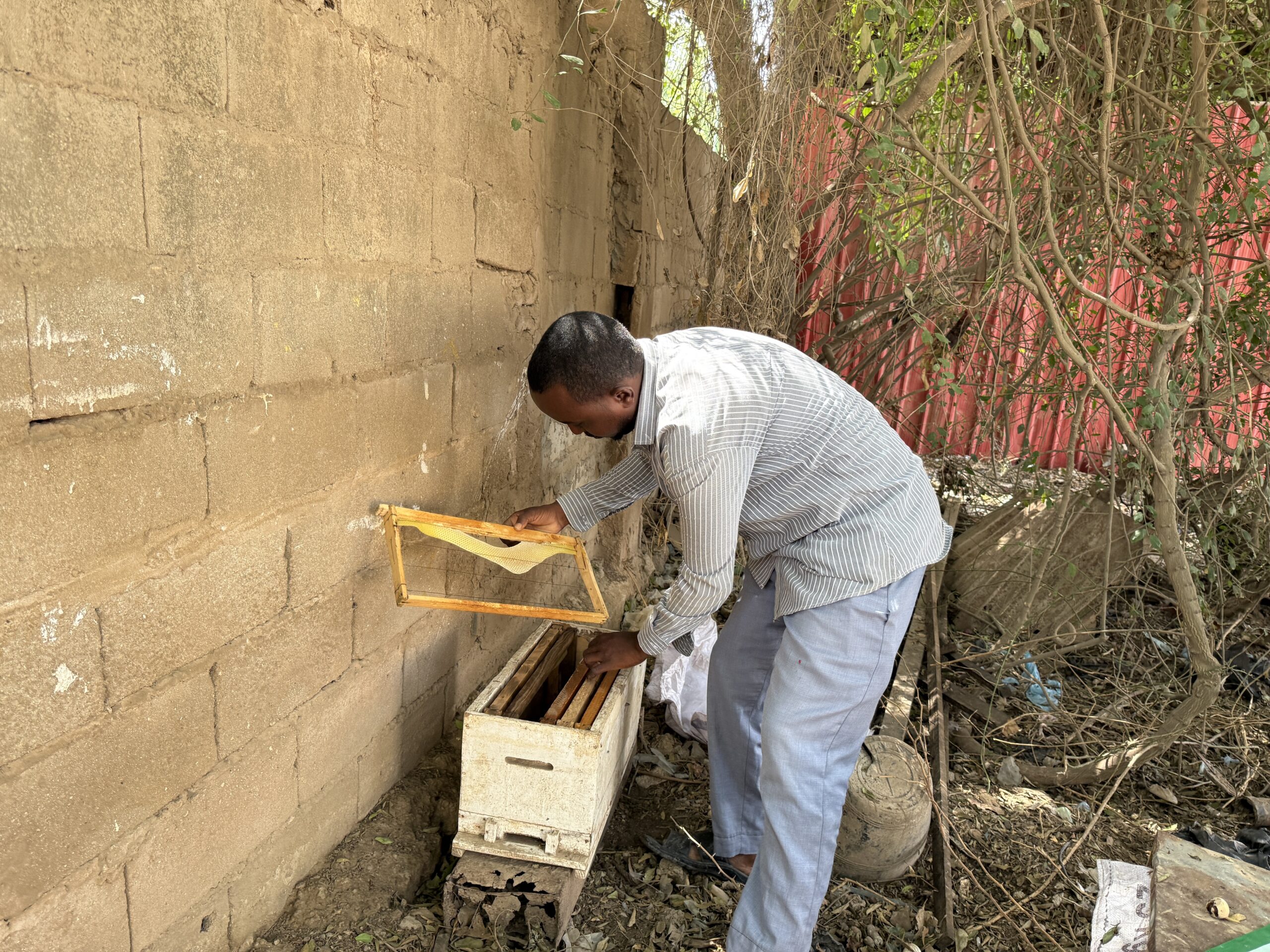
Hassan is a 35-year-old who lives in Balcad transitioned from a casual laborer to a business owner through the Baxnaano program. Previously, he earned a meager income making beehives for others. With the support he received, he strategically invested in purchasing wood and materials to establish his own beekeeping farm in
Balcad.
By producing and selling honey in the local market, he has steadily improved his household’s income and overall well being. Hassan attributes this progress to the program’s direct mobile money transfers, which ensured he received the full amount, fostering his independence and long-term stability. For future programming, Hassan recommended that the government need to ensure transparent selection process of beneficiaries and promote use a of fair computer-based selection system to prevent favoritism, and to also provide clear information about the project to increase awareness in villages to help communities understand and trust the process.
Shamso is a 45-year-old mother whose livelihood and household well-being and business significantly improved through support from the Baxnaano program. With the cash assistance she received, she started buying and selling livestock and reinvested the profits to slowly grow her business.
This has helped her pay her children’s school fees on time, cover daily household needs, and better support her family. Shamso says the support has improved her family’s stability and given them hope for the future.
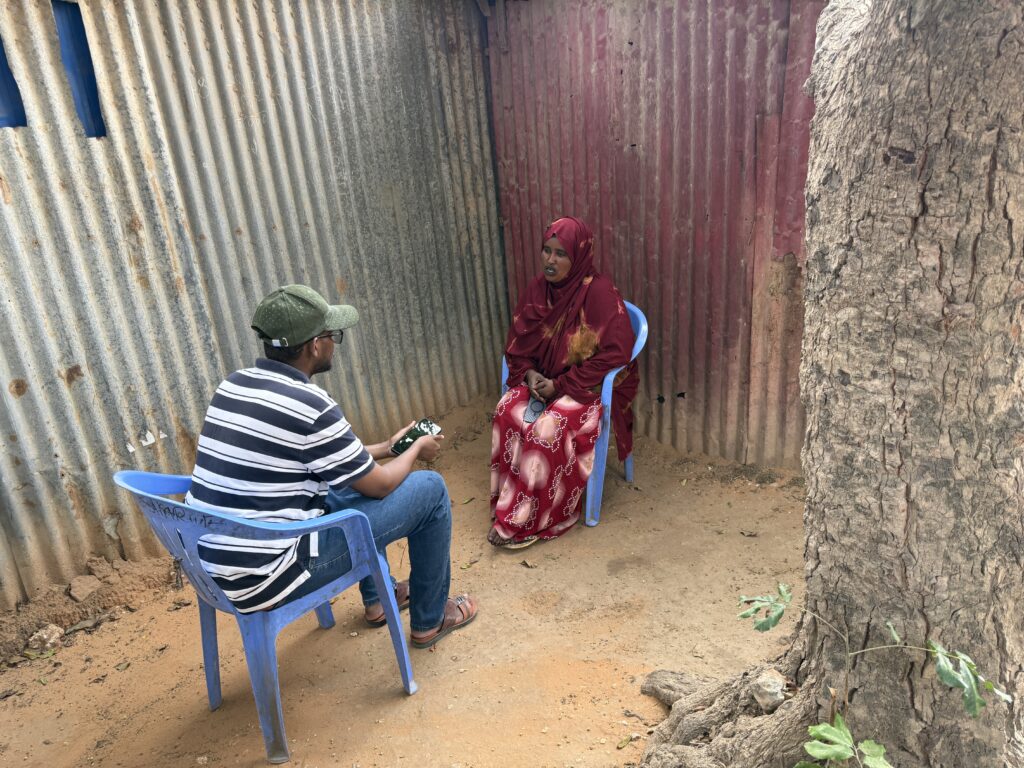
Qadijo is a 39-year-old woman who describes life before the Baxnaano program as manageable but very difficult, with limited opportunities to improve her household’s situation. The introduction of Baxnaano brought noticeable relief and made a meaningful difference in her family’s daily life. She explains that the cash support helped her household feel more stable and less constrained.
Economically, the family is better off than before, using the small transfers received from Baxnaano to support their farm by purchasing essential inputs, covering cultivation costs, and meeting basic household needs such as food. She also highlights the impact it had on her family , noting that it reduced stress and gave her household a sense of stability and dignity.
Nuney Sharif, a 50-year-old mother of eleven children, faced severe housing problem before receiving Baxnaano support. Working in a
restaurant job while her husband earned very little, earned only $2–3 some days, and sometimes nothing at all. After receiving the cash
transfers, she used the funds to build and repair her home, constructing a total of four rooms. The assistance has significantly improved her family’s living conditions and overall well-being, for which she expresses deep gratitude to Baxnaano, the government, and its partners.
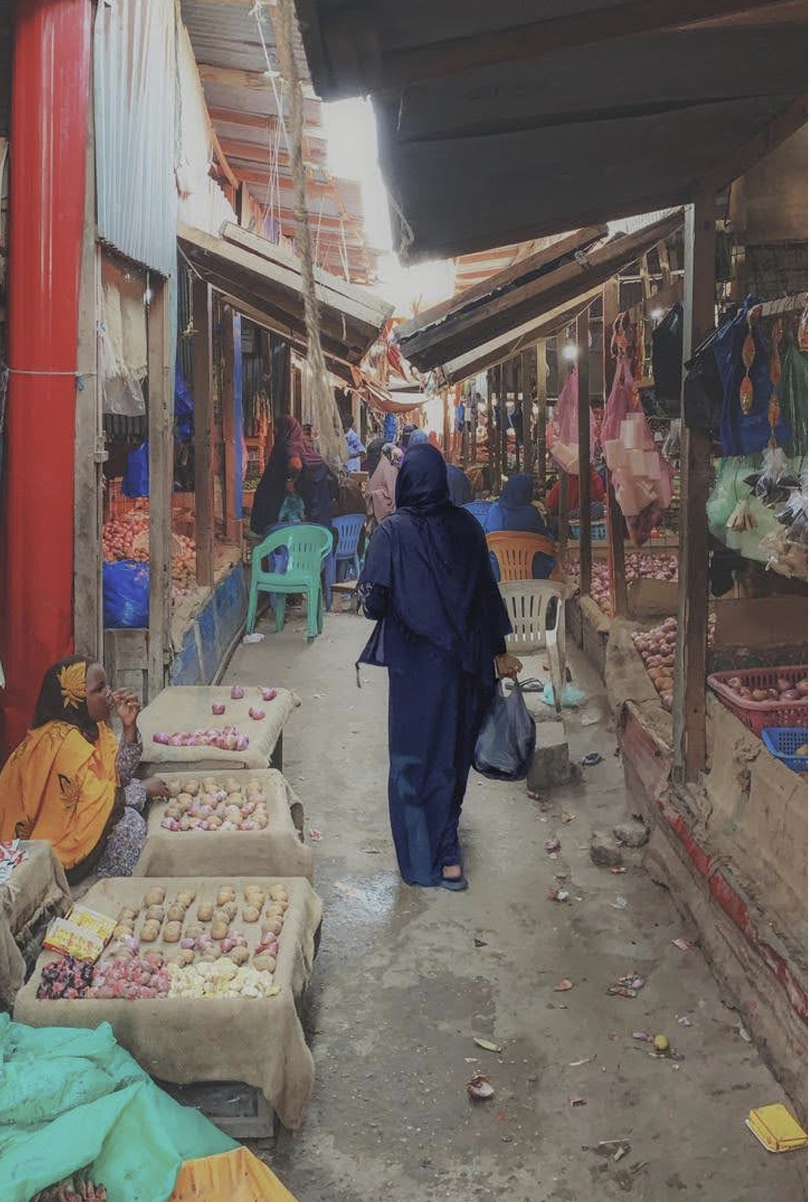
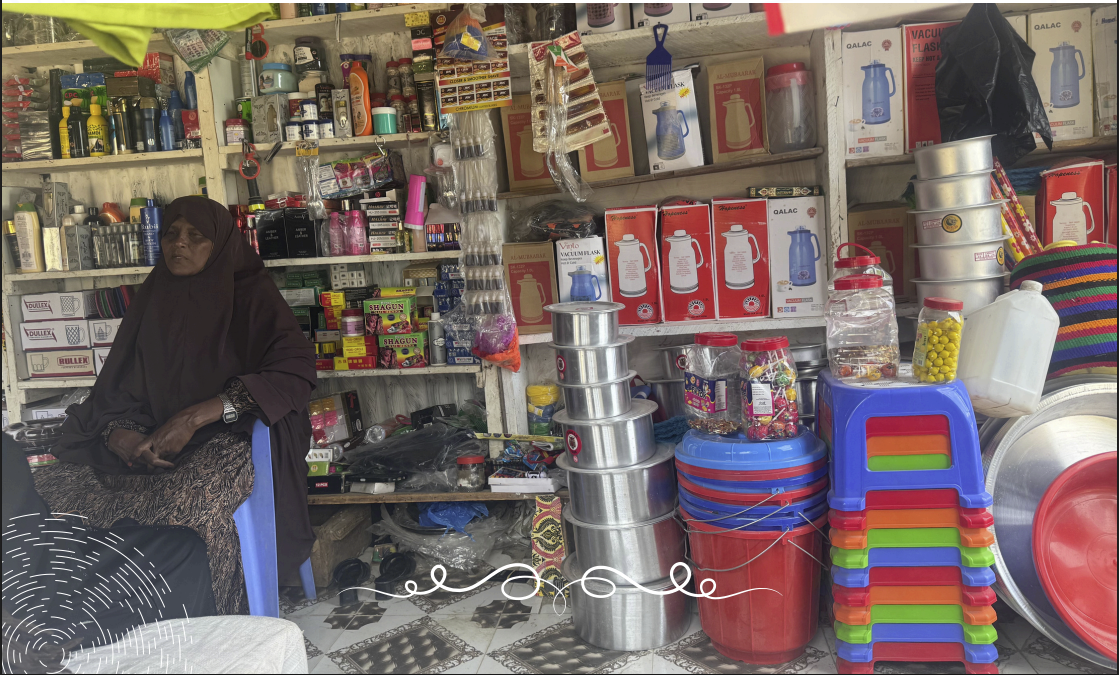
Abshira Adan Nur, a 40-year-old mother, struggled with food insecurity and financial stress, relying on casual labor, her husband’s small earnings, and borrowed food to survive. After receiving the Baxnaano cash transfer, her family’s situation improved significantly they could pay school fees, eat regularly, and achieve greater stability.
Abshira also started a small shop selling daily goods and produce, which supports the family’s expenses and overall well-being.
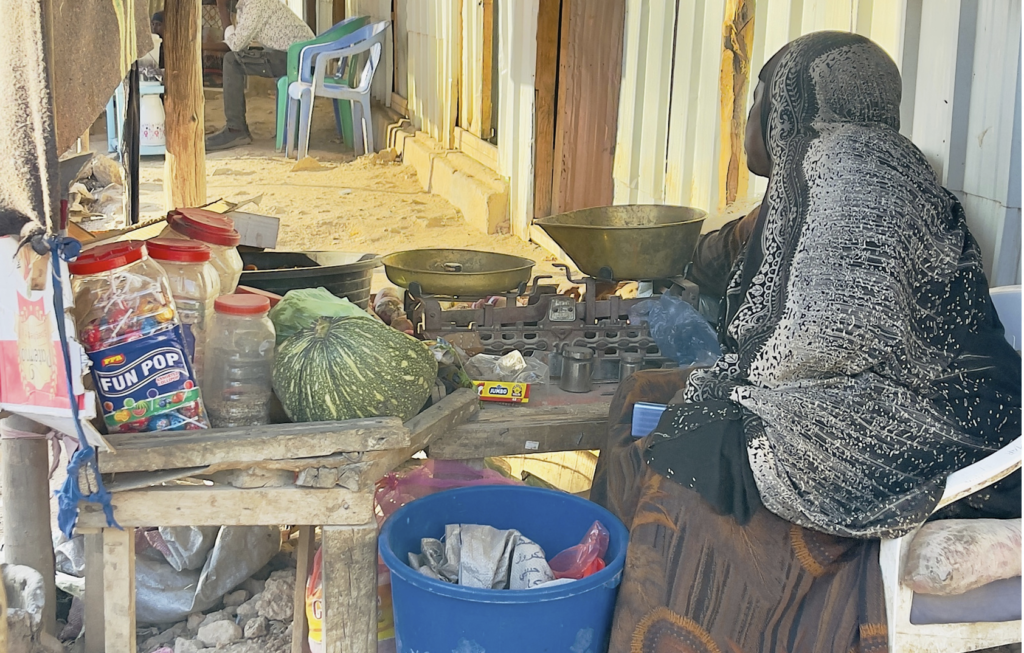
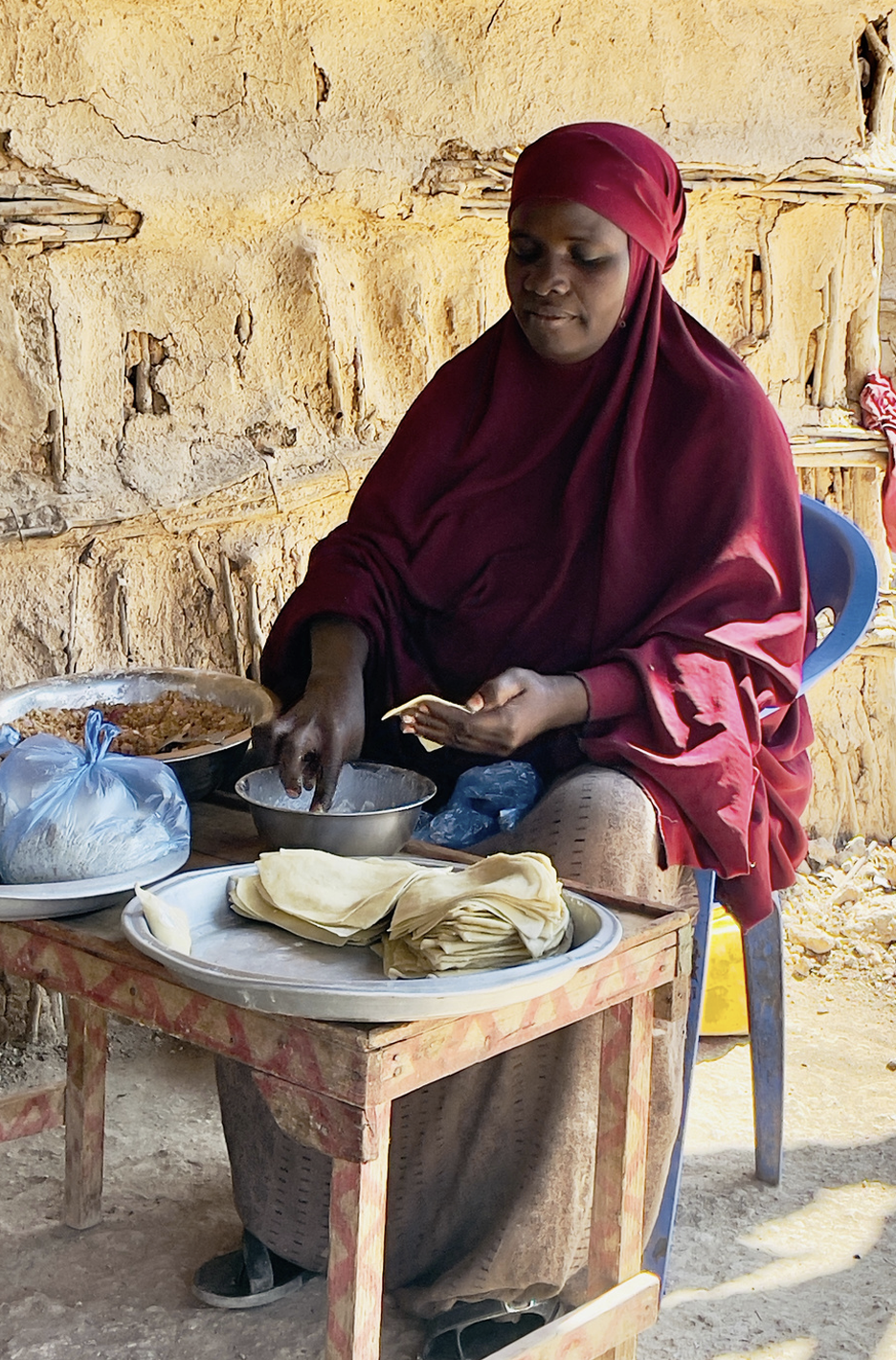
Najmo Ali is a 37-year-old mother living in Hudur who faced severe food insecurity before receiving support from the Baxnaano program. Her household relied on casual labor, small earnings from the livestock market, borrowing food, and skipping meals to cope with shortages, while paying school fees caused significant stress. After receiving the cash transfer, her family’s situation improved substantially, allowing them to pay education costs, eat two to three meals per day, and achieve greater stability. Najmo also started a
small shop selling household goods, Sambusa and tea, which supports rent and daily needs. Overall, the support reduced harmful coping strategies and improved household well-being. She recommends increasing and extending government assistance, particularly to support and expand small businesses, so families can better withstand shocks such as drought and continue
improving their livelihoods.